

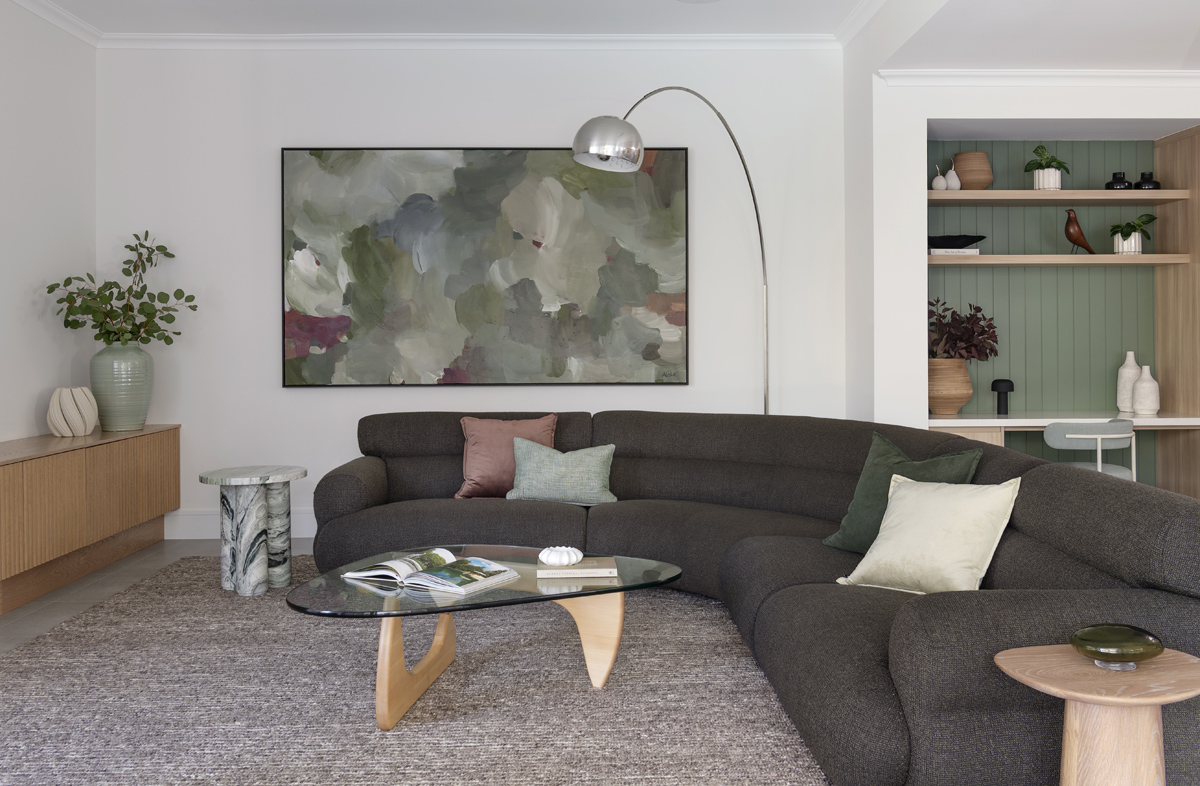
A new house is not automatically a finished home
There is a particular moment when the keys to a new home are finally handed over. The surfaces are fresh, the finishes are untouched and the architecture may be exactly what you imagined. Yet the home can still feel strangely incomplete.
A new build may have beautiful proportions and carefully selected materials, but it is furniture, lighting, artwork, rugs and soft furnishings that bring warmth and personality to the rooms. Without them, even a thoughtfully designed house can feel more like a display than a home.
Furnishing a new build is not simply a final shopping exercise. When it is considered alongside the design of the home, it can shape the way each room works and ensure the finished result feels personal, cohesive and comfortable from the beginning.
Start with the way you want to live
The best place to begin is not with a particular sofa or a collection of images. It is with the way you want to live in the home.
Think about how the household uses the living areas. Do you entertain often, or are the rooms mainly for quiet evenings? Where do people naturally gather? How do children or pets move through the space? Does anyone work from home? Which rooms need to feel calm and private, and where is hidden storage essential?
These questions influence everything from furniture scale and layout to fabric selection, durability and lighting. A large open-plan living area may need several connected zones rather than one oversized sofa and a single coffee table. A quieter sitting room may benefit from intimate chairs, layered lighting and a more relaxed arrangement.
Furniture should support the life taking place around it. The most successful new-build interiors feel beautiful because they are also comfortable, practical and easy to use.
Consider furniture before the build is complete
Furniture planning can influence decisions that are often made much earlier than homeowners expect. The position of a sofa may affect power points and lighting. A dining table can influence the size and placement of a pendant. A bed and bedside tables can affect the location of switches, reading lights and joinery.
Thinking about furniture early can also help with TV placement, rug sizes, window furnishings, circulation paths, door clearances and the proportions of built-in cabinetry. This prevents the common situation where a room is technically complete but difficult to furnish well.
A furniture plan does not mean every purchase needs to be made immediately. It means the room is designed with its intended use and scale in mind. This can be especially important in open-plan homes, where the relationship between the kitchen, dining and living areas needs to feel balanced.
3D interior rendering can make this process easier to understand. By visualising layouts, finishes, furniture and lighting before decisions are finalised, homeowners can assess the scale and flow of the design with greater confidence.
Build a cohesive furniture direction
A cohesive home does not require every room to match. It needs a sense of relationship between the rooms.
That connection may come through a considered colour palette, complementary timber tones, repeated materials, similar levels of contrast or a consistent approach to metal finishes. Shapes and textures can also be repeated subtly, helping the home feel collected rather than assembled all at once.
The sofa should relate to the occasional chairs. The dining furniture should sit comfortably with the kitchen finishes. Bedroom furniture, rugs and window treatments should support the same overall feeling without looking identical. Lighting and artwork can then add variation and personality.
The aim is not to make every decision predictable. It is to create enough consistency that the home feels calm, while allowing each room to have its own purpose and character.
A designer can help edit the many choices involved, identifying which pieces deserve attention and which ideas may be distracting from the wider direction.
Add warmth, personality and collected detail
A brand new home can feel overly polished if every item is selected at the same time with no sense of history. Personal layers help soften that newness and make the interior feel connected to the people who live there.
Artwork, books, handmade ceramics, textiles, plants, photographs and objects collected over time can all bring warmth. Vintage or inherited pieces may add character alongside new furniture, provided the overall composition remains considered.
This is not about filling every surface. It is about choosing details that have meaning, texture or visual interest. A restrained selection can make a room feel far more personal than a large amount of decoration.
Styling should support the architecture rather than compete with it. It can soften hard surfaces, improve scale, draw attention to a beautiful view and create the sense that the home has evolved naturally.
Common furnishing mistakes in a new build
One of the most common mistakes is buying furniture without measuring properly. A piece can look beautiful in a showroom and still be too large, too small or awkward for the room at home.
Another is choosing items individually rather than as a composition. When every purchase is made in isolation, the result can feel disconnected even when each piece is attractive.
Homeowners also sometimes leave lighting, window furnishings and artwork until the very end. These elements have a significant effect on comfort, atmosphere and scale, so allowing for them early can prevent an unfinished feeling.
Oversized open-plan rooms are often furnished with pieces that are too small. Rugs are undersized, artwork is treated as an afterthought and storage is overlooked. It is also easy to choose too many trend-led pieces without considering whether they suit the architecture or will continue to feel right over time.
The solution is not to remove personality. It is to create a clear direction before making individual purchases.
How Neo can help furnish a new build
The process can begin by understanding the architecture, the household and the feeling the clients want to create. From there, furniture and styling can be developed as part of the home’s overall design rather than added after the fact.
This may include reviewing layouts and scale, coordinating finishes and lighting, sourcing furniture and artwork, considering rugs and window furnishings, and refining the final selection so each element contributes to the wider scheme.
Neo’s residential interior design service pairs design guidance with a full furniture procurement and installation service, managed from the first selections through to final styling. That covers furniture sourcing and curation, custom furniture, artwork, lighting, rugs, window furnishings and décor, with Neo handling:
- Procurement: supplier coordination, quotations, purchasing and ongoing supplier communication
- Logistics: tracking orders, managing lead times and coordinating deliveries
- Warehousing and quality control: receiving pieces at Neo’s warehouse and checking their condition before installation
- White-glove delivery and installation: professional delivery, placement, assembly where required and removal of packaging
- Final styling: arranging furniture, artwork and accessories so the home feels cohesive and complete
The result is one seamless process, without the stress of managing multiple suppliers, deliveries and installers. Throughout, the approach stays the same: a new home should be designed for living, not simply filled with products.
Make the new home feel like yours
A new build becomes a home through the decisions that make it comfortable, personal and connected to everyday life. The architecture may provide the structure, but furniture, lighting, artwork and styling create the atmosphere.When those elements are considered early, the result can feel more cohesive and the process can become much less overwhelming. Instead of making hundreds of disconnected decisions, homeowners can work towards one clear vision.
Neo Interior Design helps Perth homeowners bring that vision together through thoughtful residential interior design, furniture curation and styling. Whether you are still planning your build or have recently received the keys, the right guidance can help your home feel like yours from the very beginning.
Begin furnishing your new build with a considered plan.
Book a consultation with Neo today!